Skip to Main Content

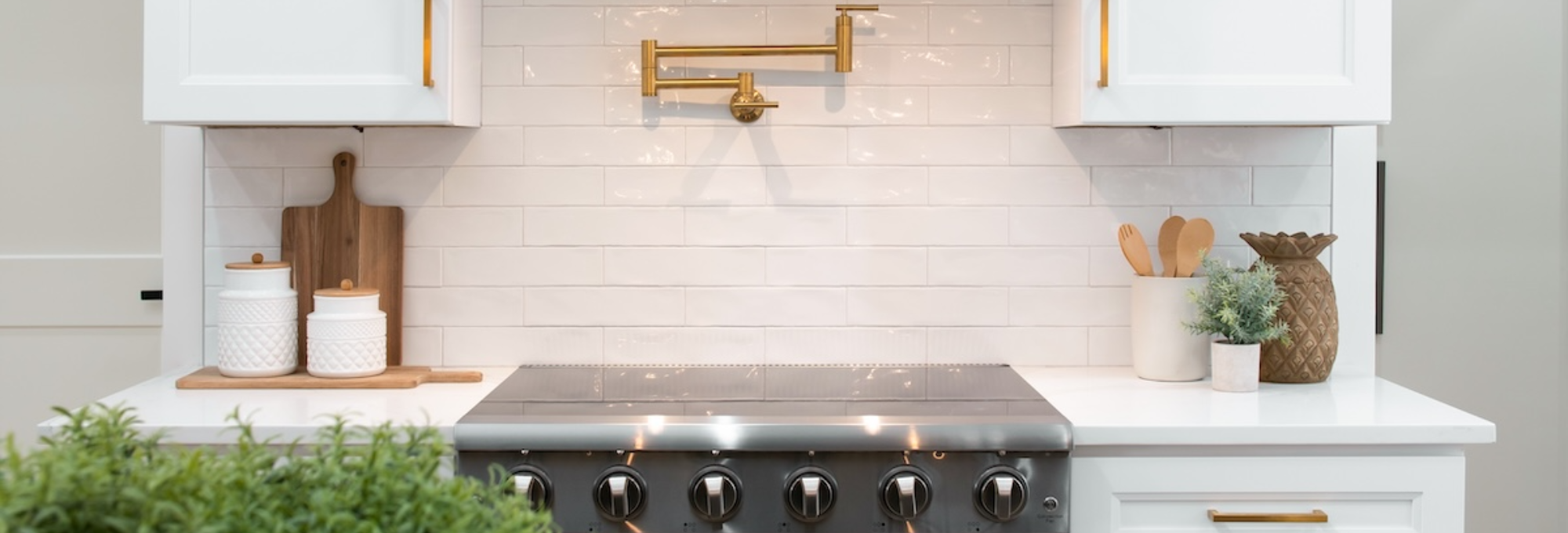
Tile+kitchen+RB+Flooring+Millworks+2000x680

Tile: Timeless & Beautiful

Elevate your home or business with the timeless elegance and durability of tile flooring from RB FLOORING. Our stunning selection of ceramic, porcelain, and natural stone tiles offers endless design possibilities, from sleek modern aesthetics to classic, rustic charm. Tile is the perfect choice for high-traffic areas, kitchens, bathrooms, and beyond, thanks to its exceptional durability, water resistance, and easy maintenance. With a range of colors, patterns, and textures, our expert team will guide you in selecting the ideal tile to create a beautiful, long-lasting foundation for your space.

Advantages/Benefits of Tile in Your Home or Business:

  • Durability: Highly resistant to wear, scratches, and dents, making it ideal for high-traffic areas.
  • Water Resistance: Perfect for moisture-prone areas like bathrooms, kitchens, and laundry rooms.
  • Low Maintenance: Easy to clean with simple sweeping or mopping, requiring minimal upkeep.
  • Versatility: Available in a wide variety of styles, colors, sizes, and finishes to suit any design vision.
  • Longevity: Properly installed tiles can last for decades, offering excellent long-term value.
  • Allergy-Friendly: Non-porous surfaces don’t trap dust, pollen, or allergens, promoting healthier indoor air.
  • Eco-Friendly Options: Many tiles are made from natural or recyclable materials, supporting sustainable choices.
  • Temperature Regulation: Stays cool in warm climates and can be paired with underfloor heating for colder seasons.
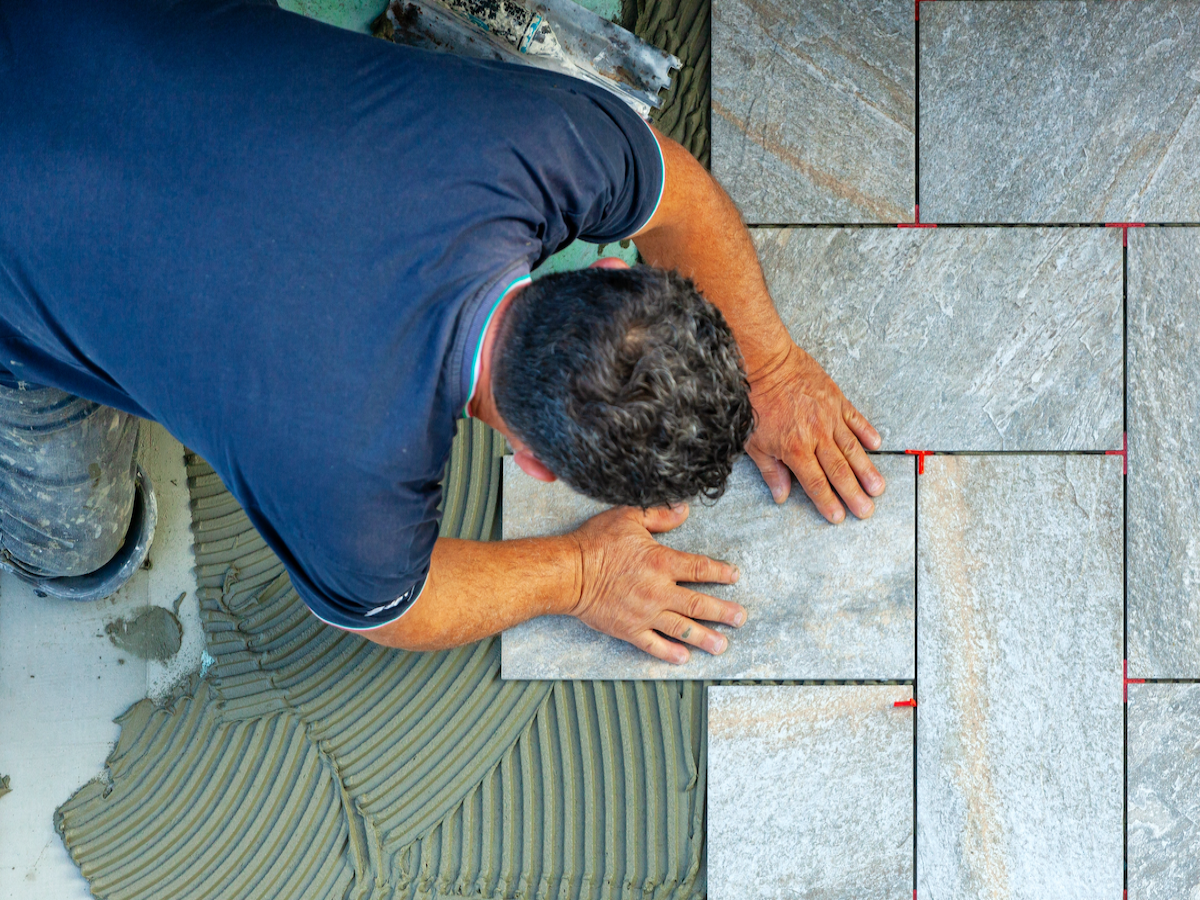

Tile+Install+MED

TILE FAQs

  1. What’s the difference between ceramic and porcelain tile?
    Porcelain is denser, harder, and absorbs less water (<0.5%) than standard ceramic, making it more durable and suitable for wet areas and outdoors.
  2. Which is better for floors—ceramic or porcelain?
    Porcelain is generally preferred for floors due to superior durability and moisture resistance. Ceramic works well on walls or lower-traffic floors.
  3. Is tile waterproof?
    Glazed porcelain and ceramic surfaces are highly water-resistant. Proper installation and sealed grout make the floor system waterproof.
  4. How durable is tile and how long does it last?
    Porcelain can last decades (50+ years) with proper care. It resists scratches, stains, and wear extremely well.
  5. Is tile slippery when wet?
    Polished tiles can be slippery. We recommend textured, matte, or slip-resistant finishes for bathrooms, kitchens, and entries.
  6. Do I need to seal tile or grout?
    Most glazed porcelain does not need sealing. Grout should be sealed to resist staining and moisture.
  7. Can tile be used outdoors or in showers?
    Frost-proof porcelain is excellent outdoors. Both ceramic and porcelain work in showers when properly installed.
  8. How much does tile cost?
    Material ranges from under $2 to $15+ per sq ft. Installation adds significant labor cost due to preparation and setting.
  9. What sizes and formats are available?
    From small mosaics to large-format tiles and even slabs. Wood-look, stone-look, and concrete-look options are popular.
  10. How is tile installed and how long does it take?
    Requires a flat subfloor, thinset mortar, spacers, and grout. An average room can take several days including curing time.
  11. Can tile be installed over existing floors?
    Sometimes, if the existing surface is suitable and height transitions are acceptable. We assess each case.
  12. How do I clean and maintain tile?
    Sweep or vacuum, then mop with a pH-neutral cleaner. Avoid harsh acids or abrasives that can damage grout or glaze.
  13. Does tile feel cold underfoot?
    Yes, unless paired with underfloor heating (which works excellently with tile).
  14. What is PEI rating?
    It measures abrasion resistance. Higher ratings (PEI 3–5) are better for residential floors.
  15. Can I get matching tile for walls, floors, and showers?
    Yes. Many collections offer coordinated options for cohesive design.